What a $100,000 Canoe Looks Like

‘I love that it takes so long to make canoes,’ declares Trent Preszler. The artisan boat maker took up his craft after his father died, using the tools he inherited to create a canoe over the course of fourteen months.

  • Words: Rachel Halliburton

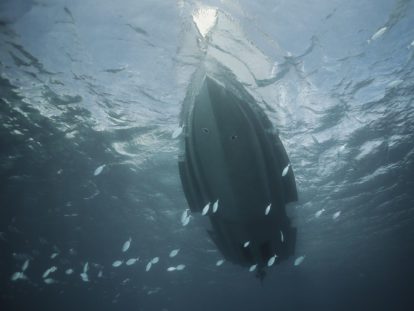
‘I love that it takes so long to make canoes,’ declares Trent Preszler. The artisan boat maker took up his craft after his father died, using the tools he inherited to create a canoe over the course of fourteen months, matching elegance with exquisite detail. The hundreds of layers of wood include cedar, black walnut, zebrawood, purpleheart and Mexican ziricote, sourced from an exotic wood dealer close to his Long Island studio.

In that first canoe, and those he has made subsequently, the aesthetically stunning design is then coated with fibreglass and epoxy, and varnished. The seats – outsourced to Jason Thigpen, of Texas Heritage Woodworks – are made of hemp and leather, while the cutwaters are cast in solid bronze by Kristian Iglesias of Kai Design.

Preszler loves testing his 150-pound creations on the water, declaring them to be ‘light and agile’. Some clients are so beguiled by the canoes’ beauty they have even been known to keep them as works of art.

The Preszler Woodshop
Video Duration
Articles

Further Reading

Up Close: Pools

Photographer Stephan Zirwes’ ‘Pool’ series illustrates the incredible waste of potential drinking water – not only in private pools but also in the privatisation of a public asset for commercial reasons.

Up Close: The Floating Tongue

Scientists are explorers too, especially those that rely on remote fieldwork to bring back the data necessary to advance their research.

Extreme Weather Cabins

Vertiginous thrills and geometrical ingenuity combine in state-of-the art cabins designed for those seeking the call of the wild.

Art in the Wilderness

Wildlife artists Olly and Suzi have travelled to the high Arctic, desert and jungle to push themselves and their art to the limit. The difficulties they have encountered have become intrinsic to their work.

Up Close: Blue Room

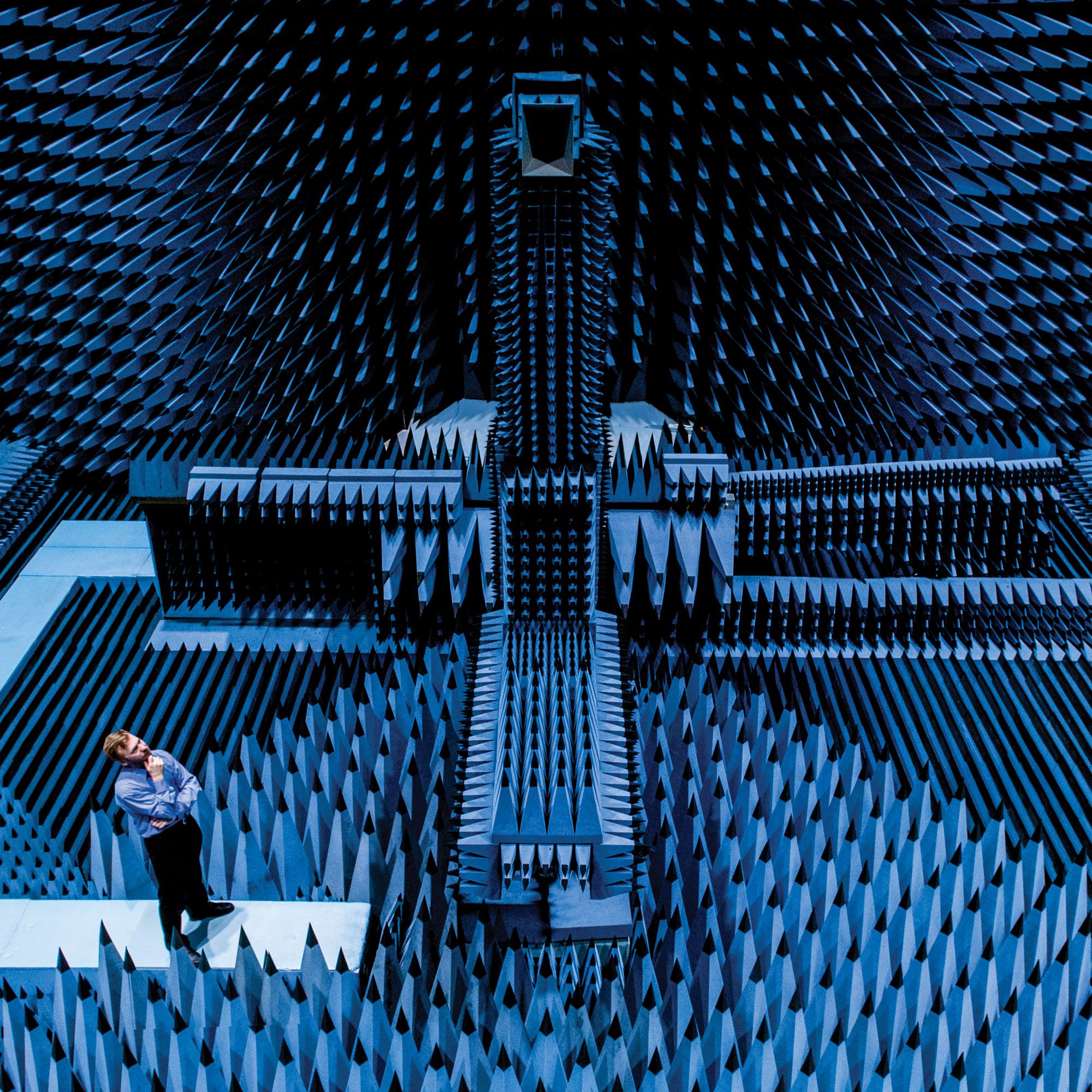
The science behind absorbing radio waves in a Radio Anechoic Chamber dates back to World War II when it first helped planes absorb or scatter radar signals. Now the technology is used by the European Space Agency among others.

Life Inside a Saturation Chamber

‘It’s quicker to get back from the moon than from the depths we work at’: Inside one of the world’s most isolated jobs.
Browse by Category