Up Close: Pools

Photographer Stephan Zirwes’ ‘Pool’ series illustrates the incredible waste of potential drinking water – not only in private pools but also in the privatisation of a public asset for commercial reasons.

  • Words + Photography: Stephan Zirwes

The ‘Pools’ series is a study of water: one of the most precious resources for life on our planet. My approach was to show water as a location for entertainment, but also to show the incredible waste of potential drinking water – not only in private pools but also in the privatisation of a public asset for commercial reasons.

Public pools are an important reminder that water should be free and accessible to everyone. The clean formal language and the simple design of the pictures treat this newsworthy issue with an elegance… almost a playfulness. I copied parts of the original pool tiles and enlarged them in a clear, visible way to create a kind of mount in patterns and take the viewer on a deep dive into the blue.

Stephan Zirwes is an award-winning German photographer.

Article taken from
Articles

Further Reading

Visions of the Year 2000

At the turn of the twentieth century a team of illustrators created their futuristic vision of the birth of the twenty-first century.

A Shot in the Dark

It makes up 80 per cent of all the matter in the universe, yet no one has been able to find it. Could the XENON1T project be about to solve the mystery of dark matter?

Lady Adela

Once again the fate of the Kurds hangs in the balance after the crucial role they played in the US-backed onslaught against ISIS in Syria. This little-known story of a formidable Kurdish female tribal-leader from more than a century ago is a reminder of their long and fraught relationship with the West.

Up Close: Blue Room

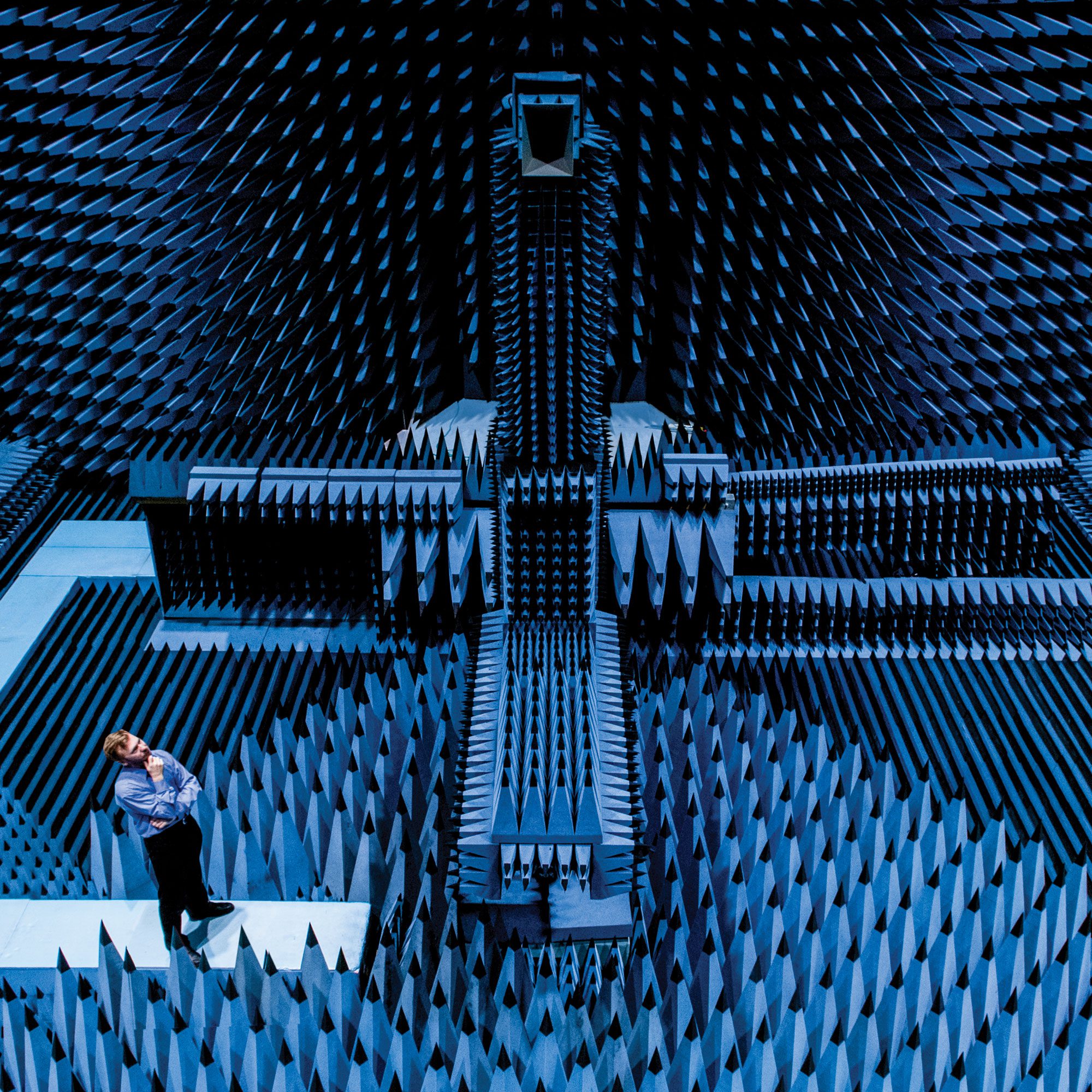
The science behind absorbing radio waves in a Radio Anechoic Chamber dates back to World War II when it first helped planes absorb or scatter radar signals. Now the technology is used by the European Space Agency among others.

Up Close: The William Gordon Telescope

Based in Puerto Rico, this is the world's largest single-aperture radio telescope. People come here to view the planets of the solar system passing through the northern half of their orbit.

This Robotic Claw Gently Captures Sea Life Without Harming Them

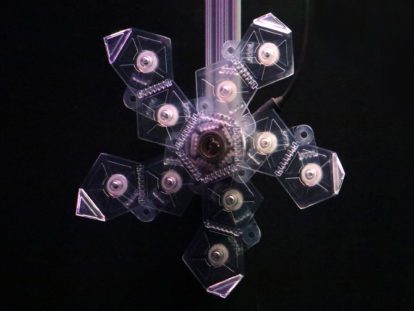
Cultivating jellyfish in labs is difficult, so scientists have searched for years for a way to collect deep sea samples without hurting them. This origami-like robot could be the eureka moment.
Browse by Category